Memento mori art prints
Memento mori is Latin for "remember that you must die". For centuries painters set a skull or an hourglass beside the living to make the point.
This room ranges from Hugo Simberg's gentle Garden of Death to Van Gogh's smoking skeleton and Goya's witches. Gothic wall art with a sense of humour as well as a sense of mortality.
-
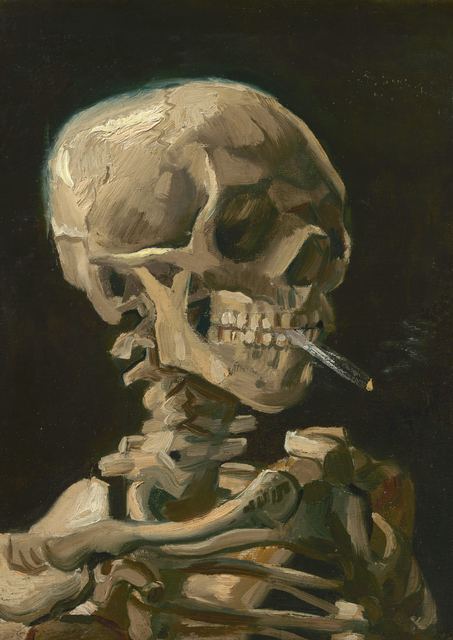 Head of a Skeleton with a Burning CigaretteVincent van Gogh, 1886
-
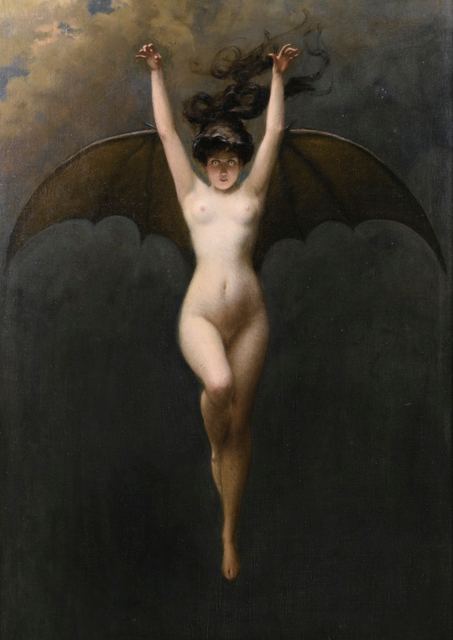 The Bat WomanAlbert Joseph Penot, c. 1890
-
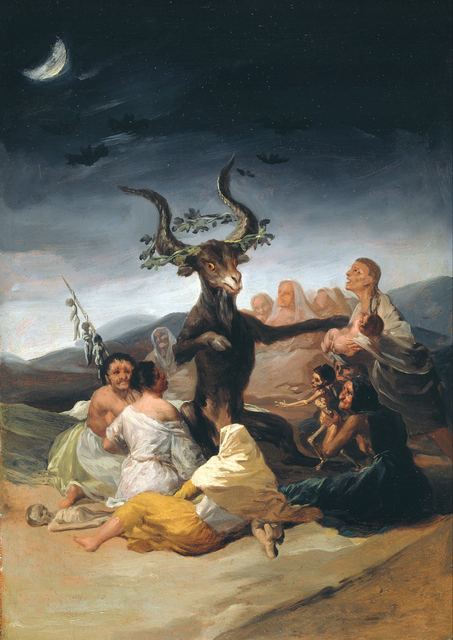 Witches' SabbathFrancisco de Goya, 1798
-
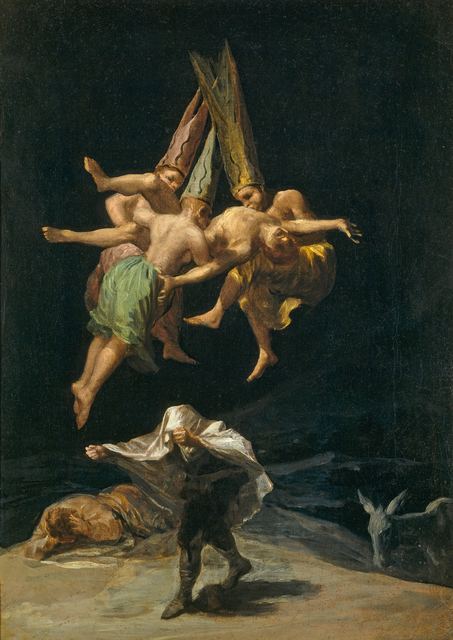 Witches' FlightFrancisco de Goya, 1798
-
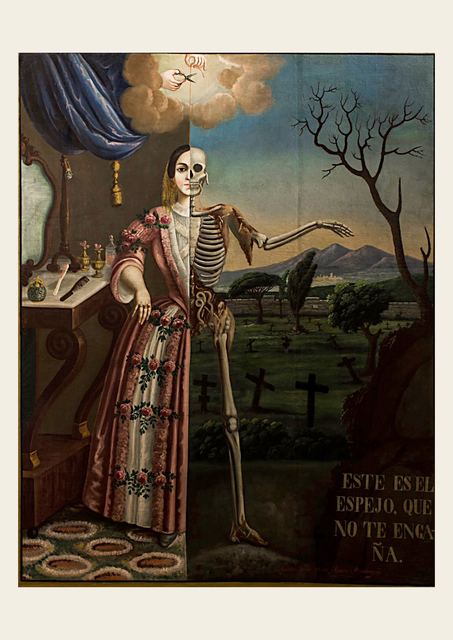 Allegory of DeathTomás Mondragón, 1856
-
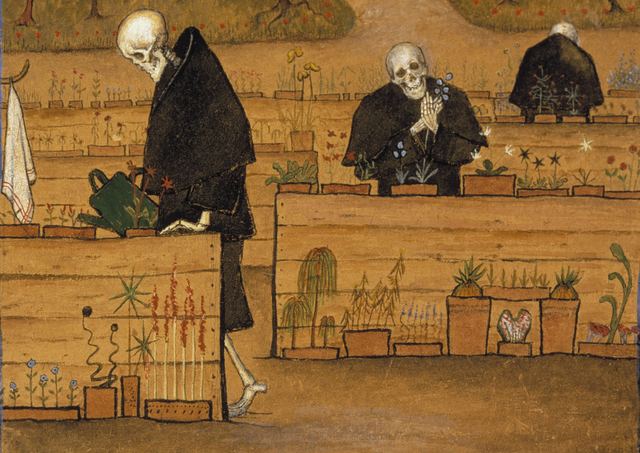 Garden of DeathHugo Simberg, 1896
-
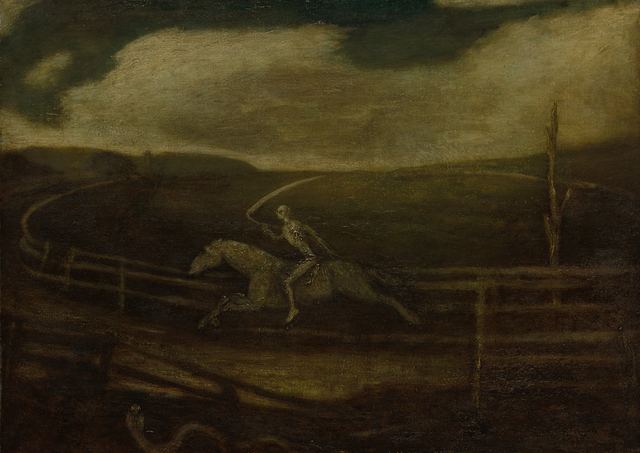 Death on a Pale HorseAlbert Pinkham Ryder, c. 1896-1908
-
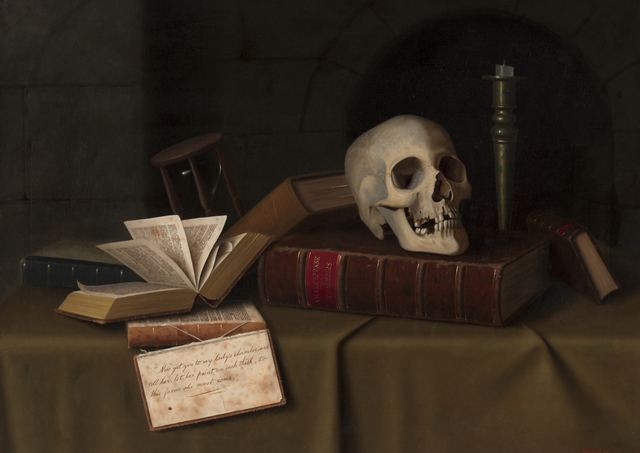 Memento Mori, To This FavourWilliam Michael Harnett, 1879
-
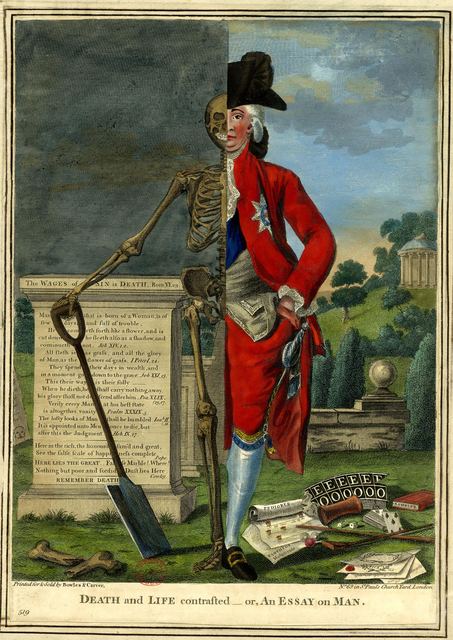 Death and Life Contrastedafter Robert Dighton, about 1784 to 1793
-
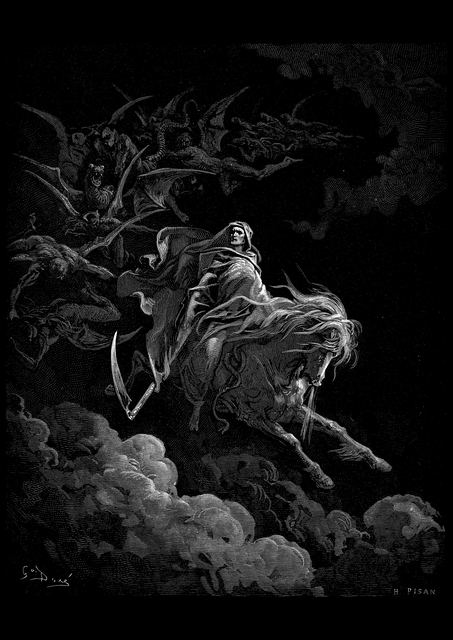 Death on the Pale HorseGustave Doré, 1866
Questions about gothic memento mori art
What does memento mori mean?
Memento mori is Latin for "remember that you must die". In art it describes any image, often a skull, that reminds the viewer of death and of how to spend the time they have.
What is the difference between memento mori and vanitas?
Vanitas is a type of still life, popular in the Dutch Golden Age, that sets skulls beside books, flowers and riches to show that worldly things fade. All vanitas paintings are memento mori, but memento mori art also includes skeletons, Deaths and danse macabre scenes.